Master Plans
Comprehensive blueprints and infrastructure roadmaps outlining the future of Gurugram's real estate landscape.
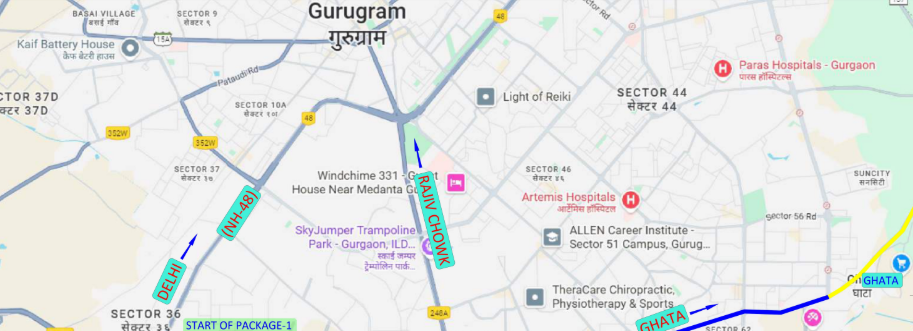
Delhi Master Plan 2031
Gurugram Master Plan 2026
The Gurugram Master Plan 2026 is a strategic development framework designed to transform Gurugram into a well-planned, sustainable, and infrastructure-rich city. It focuses on improving connectivity, housing, commercial hubs, and public amenities.
Key Objectives
Planned urban expansion to accommodate growing population
Development of residential, commercial, and industrial sectors
Improved road connectivity and transport infrastructure
Promotion of green and sustainable living
Reduction of congestion in core city areas
Boost in real estate and investment opportunities
Major Development Highlights
1. Infrastructure Development
Expansion of road networks and highways
Development of metro connectivity and public transport
Better drainage and sewage systems
2. Residential Planning
New sectors allocated for housing projects
Affordable housing schemes
Mixed-use developments
3. Commercial Zones
IT hubs and business districts expansion
Retail and office spaces development
Increase in employment opportunities
4. Industrial Growth
Dedicated industrial sectors
Logistics and warehousing zones
Improved connectivity to industrial corridors
5. Green & Open Spaces
Parks and green belts planned
Environmental conservation zones
Focus on pollution control
Sector-Wise Development (Sample Table)
Sector Type | Key Areas / Sectors | Purpose |
|---|---|---|
Residential | Sectors 58–115 | Housing & apartments |
Commercial | Sectors 29, 44, 48 | Offices, malls, IT parks |
Industrial | IMT Manesar, Sector 37 | Manufacturing & logistics |
Institutional | Sector 43, 45 | Schools, hospitals, govt offices |
Green Zones | Aravalli belt areas | Parks & eco zones |
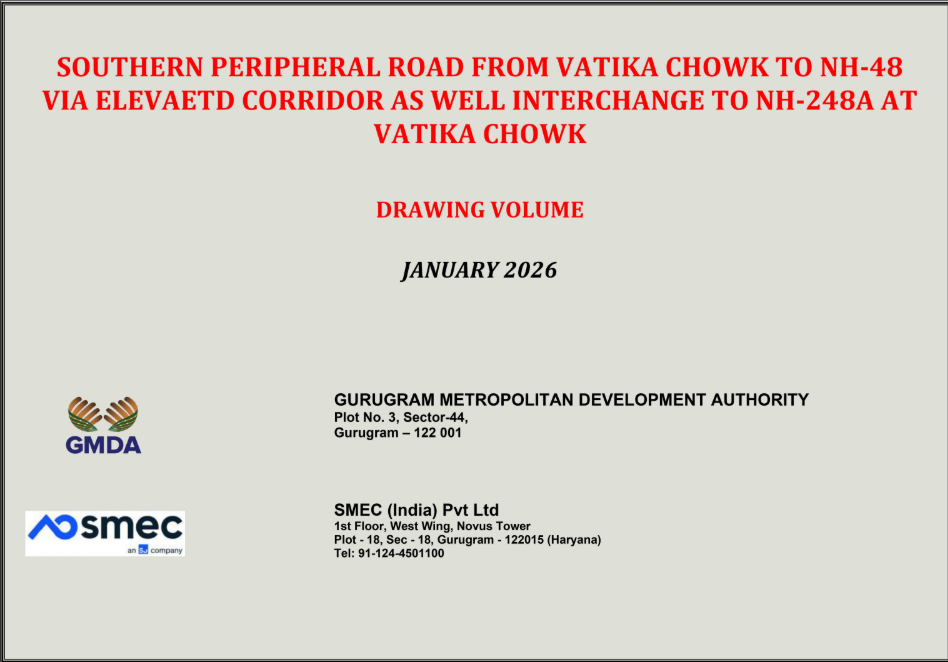
Gurugram Master Plan 2026
Gurugram Master Plan 2026
The Gurugram Master Plan 2026 is a strategic development framework designed to transform Gurugram into a well-planned, sustainable, and infrastructure-rich city. It focuses on improving connectivity, housing, commercial hubs, and public amenities.
Key Objectives
Planned urban expansion to accommodate growing population
Development of residential, commercial, and industrial sectors
Improved road connectivity and transport infrastructure
Promotion of green and sustainable living
Reduction of congestion in core city areas
Boost in real estate and investment opportunities
Major Development Highlights
1. Infrastructure Development
Expansion of road networks and highways
Development of metro connectivity and public transport
Better drainage and sewage systems
2. Residential Planning
New sectors allocated for housing projects
Affordable housing schemes
Mixed-use developments
3. Commercial Zones
IT hubs and business districts expansion
Retail and office spaces development
Increase in employment opportunities
4. Industrial Growth
Dedicated industrial sectors
Logistics and warehousing zones
Improved connectivity to industrial corridors
5. Green & Open Spaces
Parks and green belts planned
Environmental conservation zones
Focus on pollution control
Sector-Wise Development (Sample Table)
Sector Type | Key Areas / Sectors | Purpose |
|---|---|---|
Residential | Sectors 58–115 | Housing & apartments |
Commercial | Sectors 29, 44, 48 | Offices, malls, IT parks |
Industrial | IMT Manesar, Sector 37 | Manufacturing & logistics |
Institutional | Sector 43, 45 | Schools, hospitals, govt offices |
Green Zones | Aravalli belt areas | Parks & eco zones |